British Seasons: How My Daily Sketchbook Became a Fabric Collection
How 750 mornings of drawing became the foundation for my new interior textile collection.
Every morning, before breakfast, I open my sketchbook and draw what is in front of me. No planning, no pressure—just a quiet act of noticing. This daily ritual began as a way to build a creative habit, and over the past two years it has become the foundation of my artistic and design practice. I have now drawn for more than 750 consecutive mornings, wherever I am in the world.
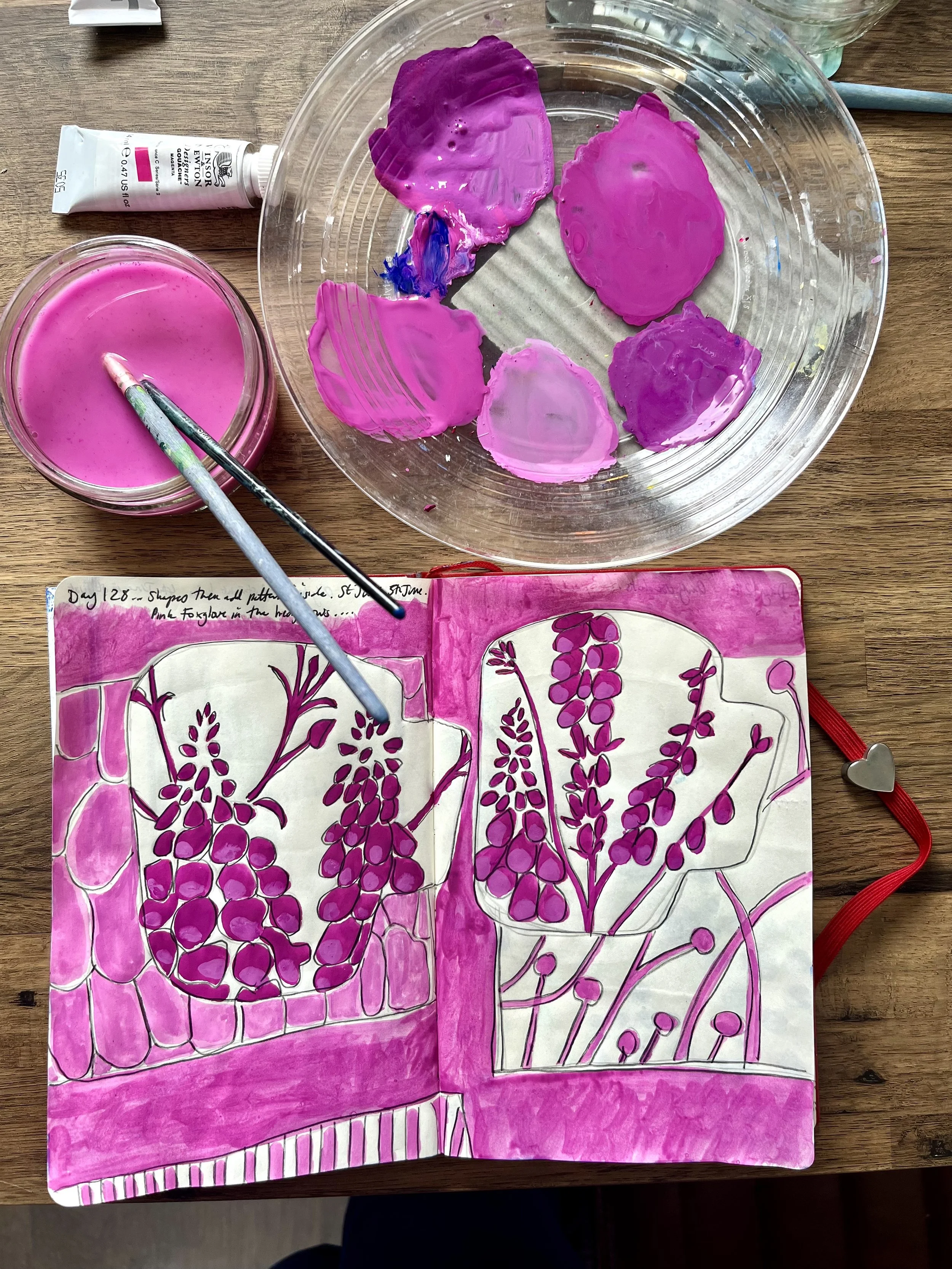
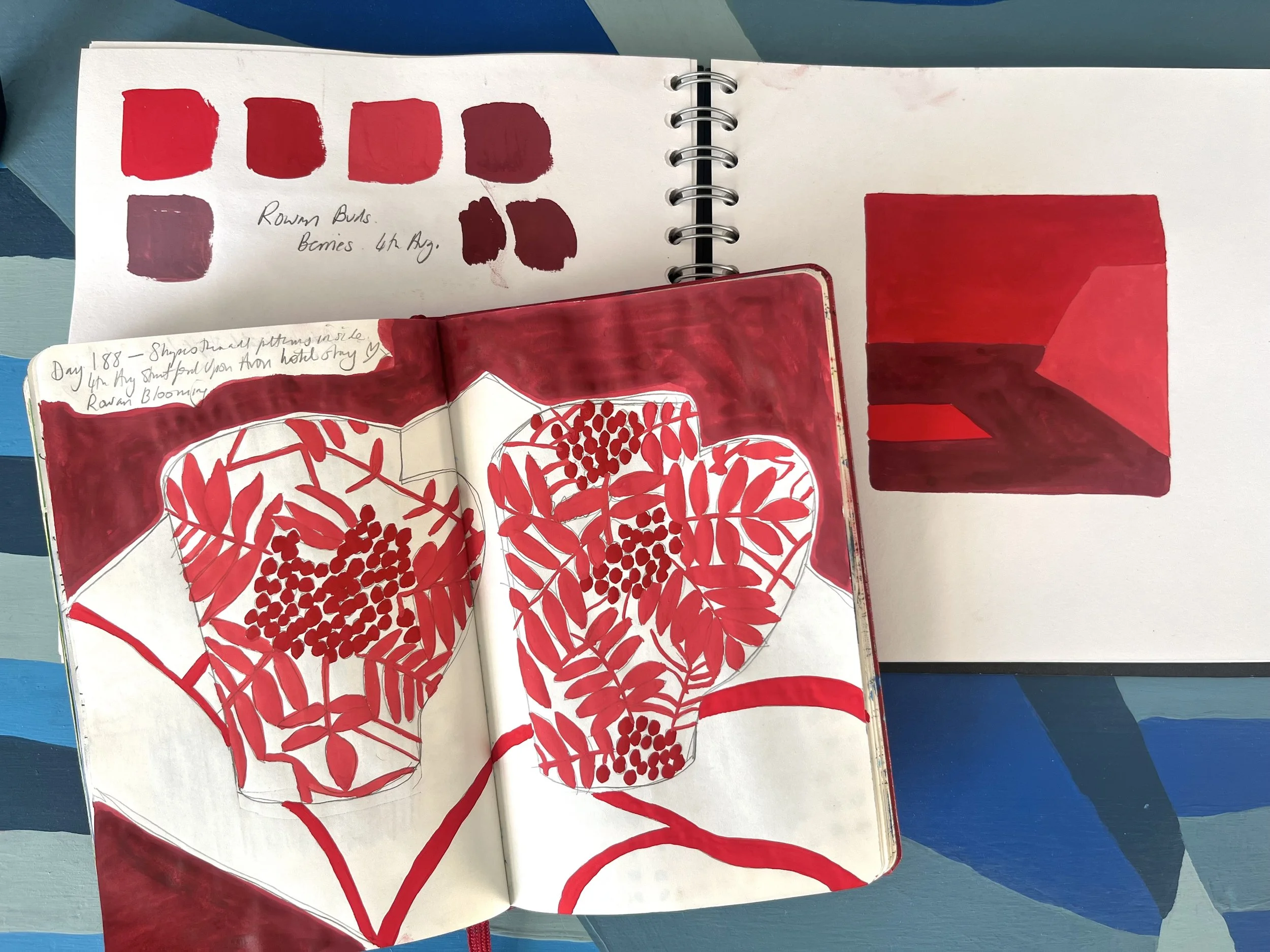
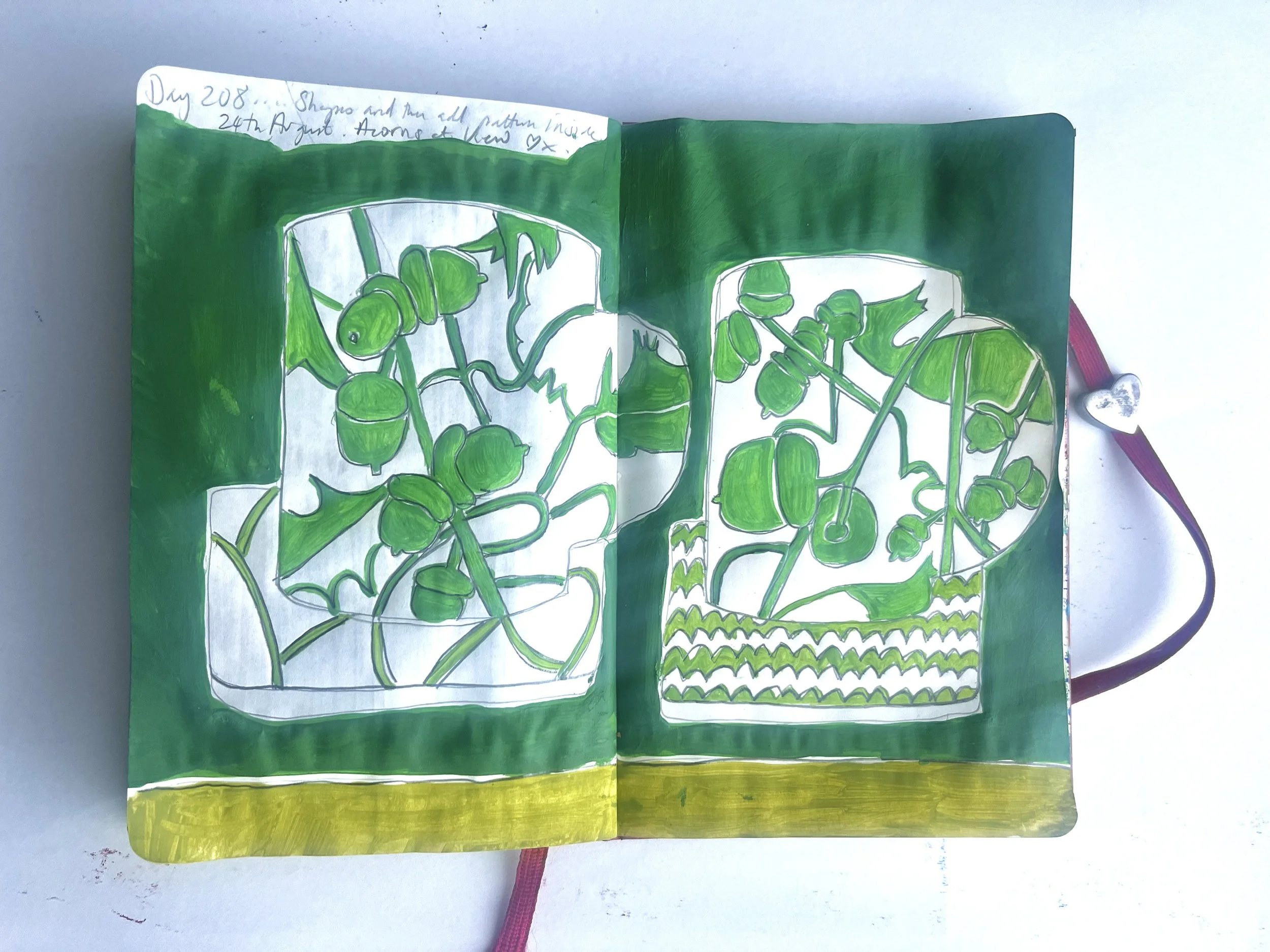
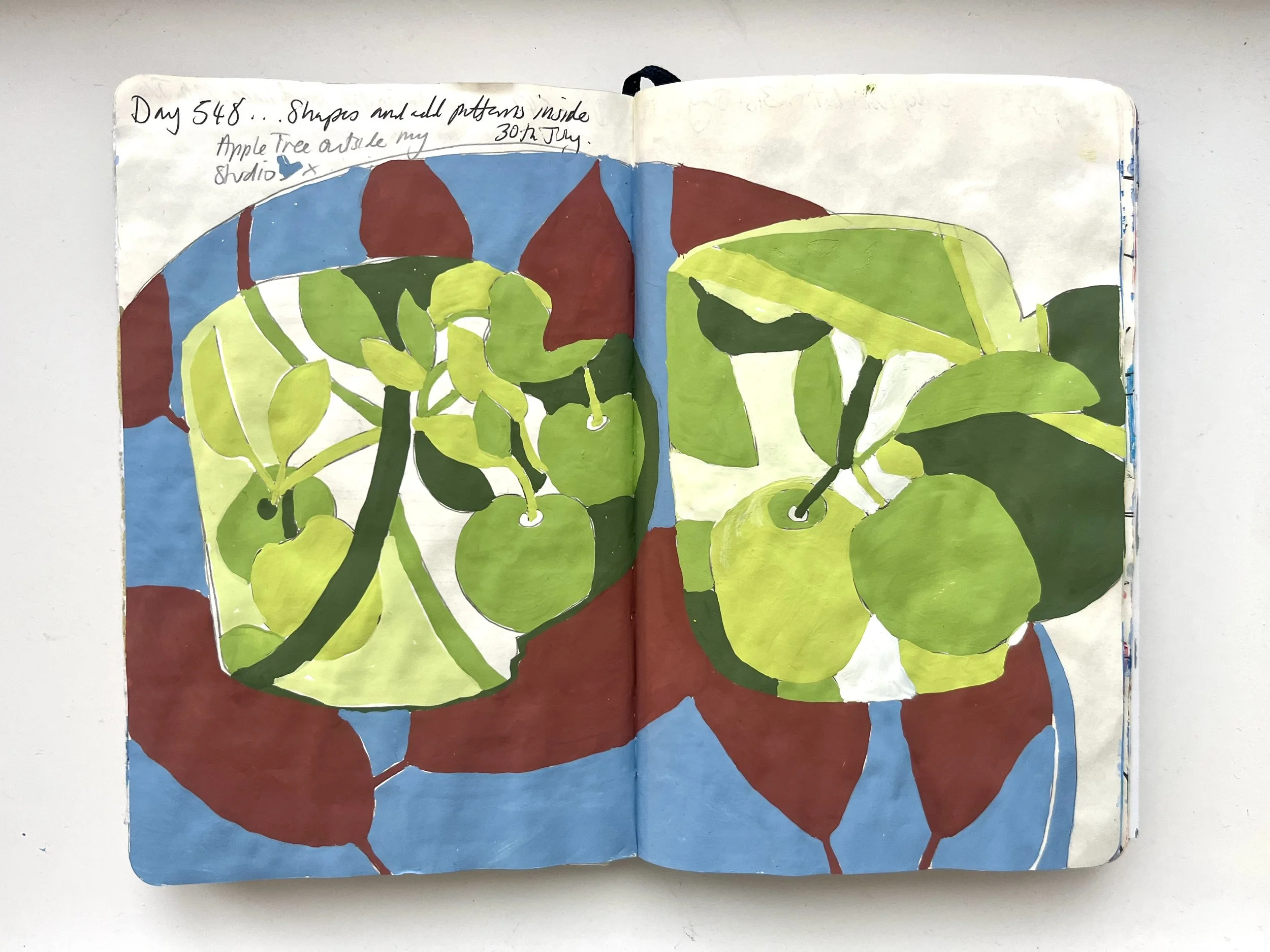
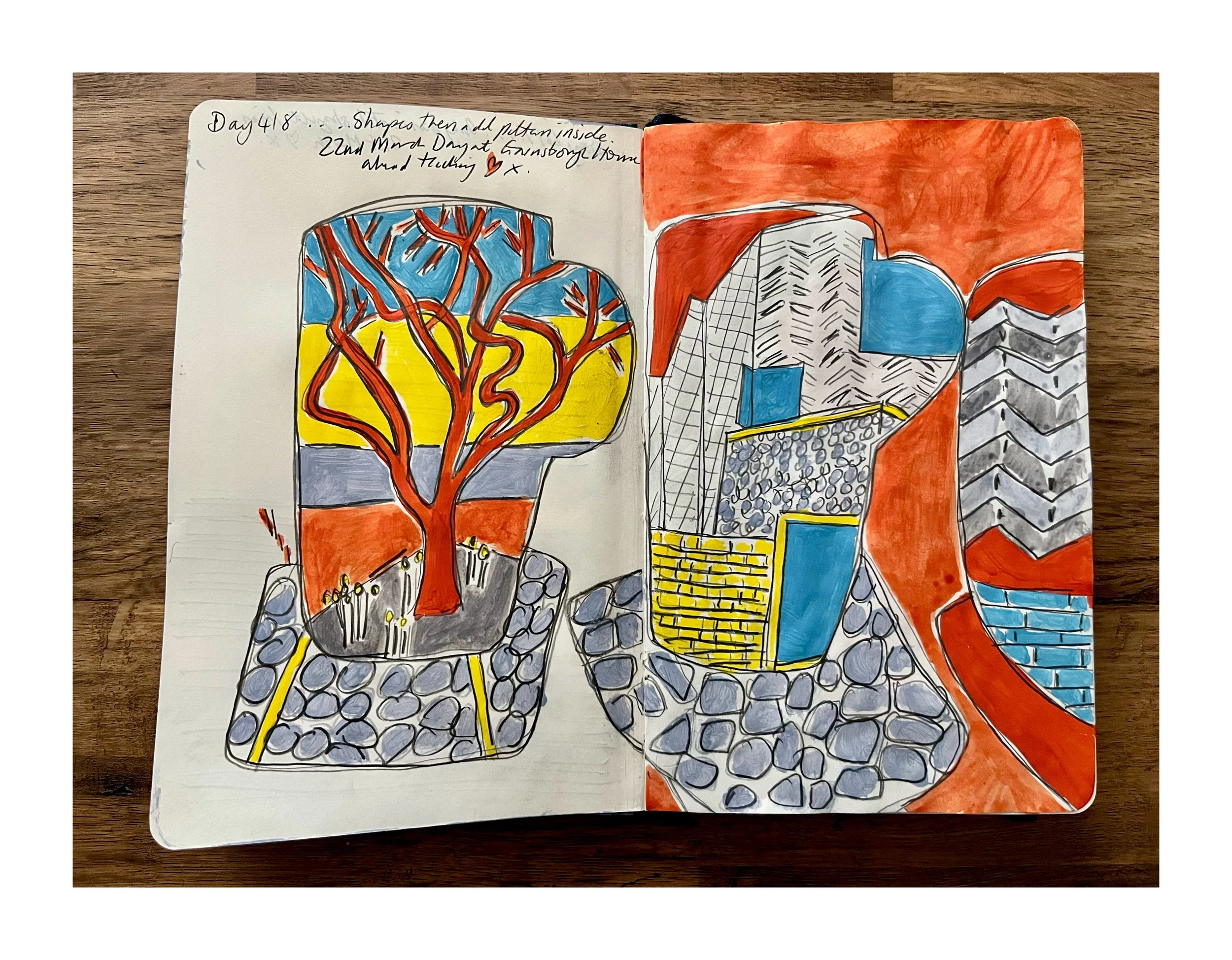
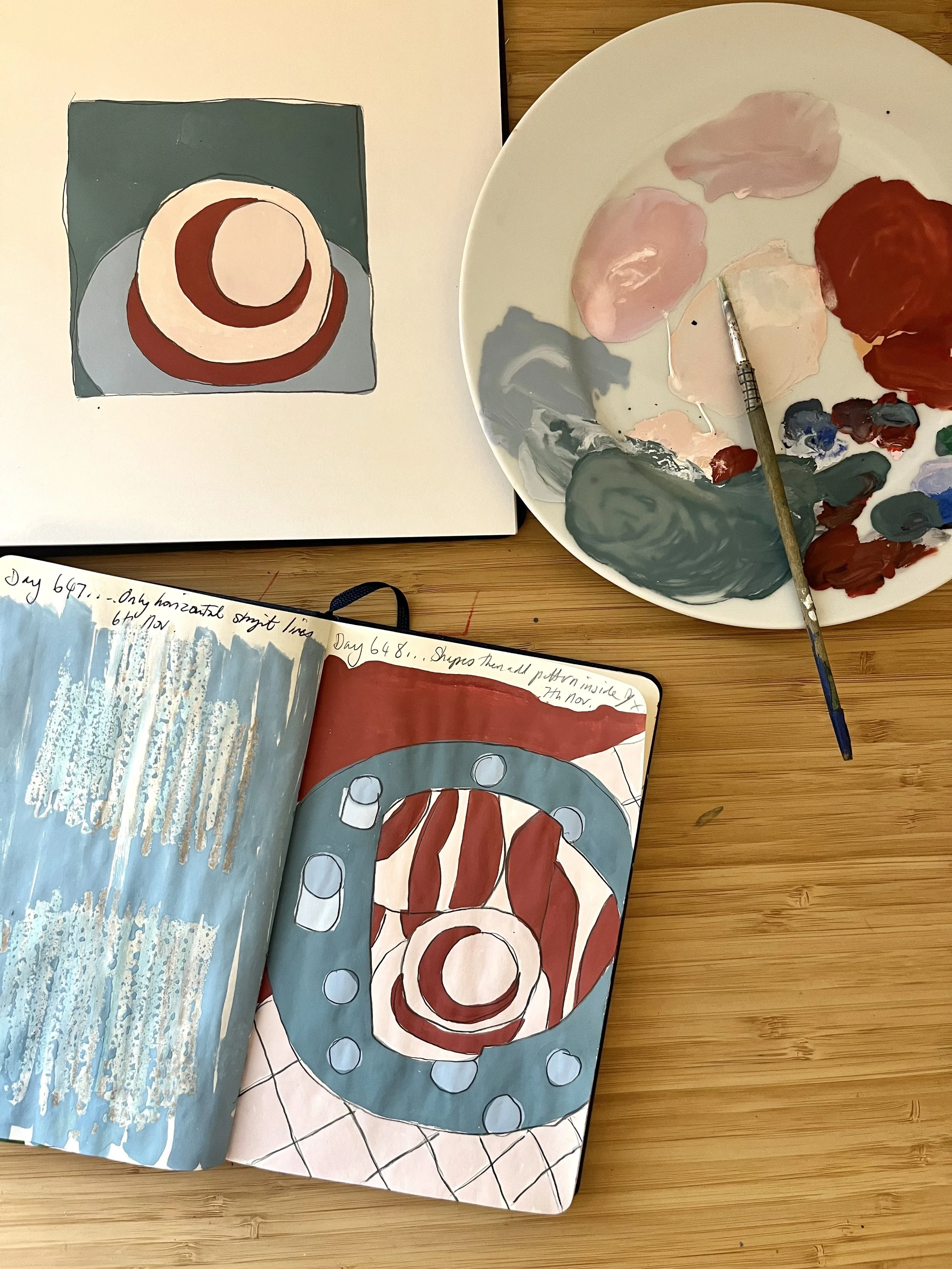
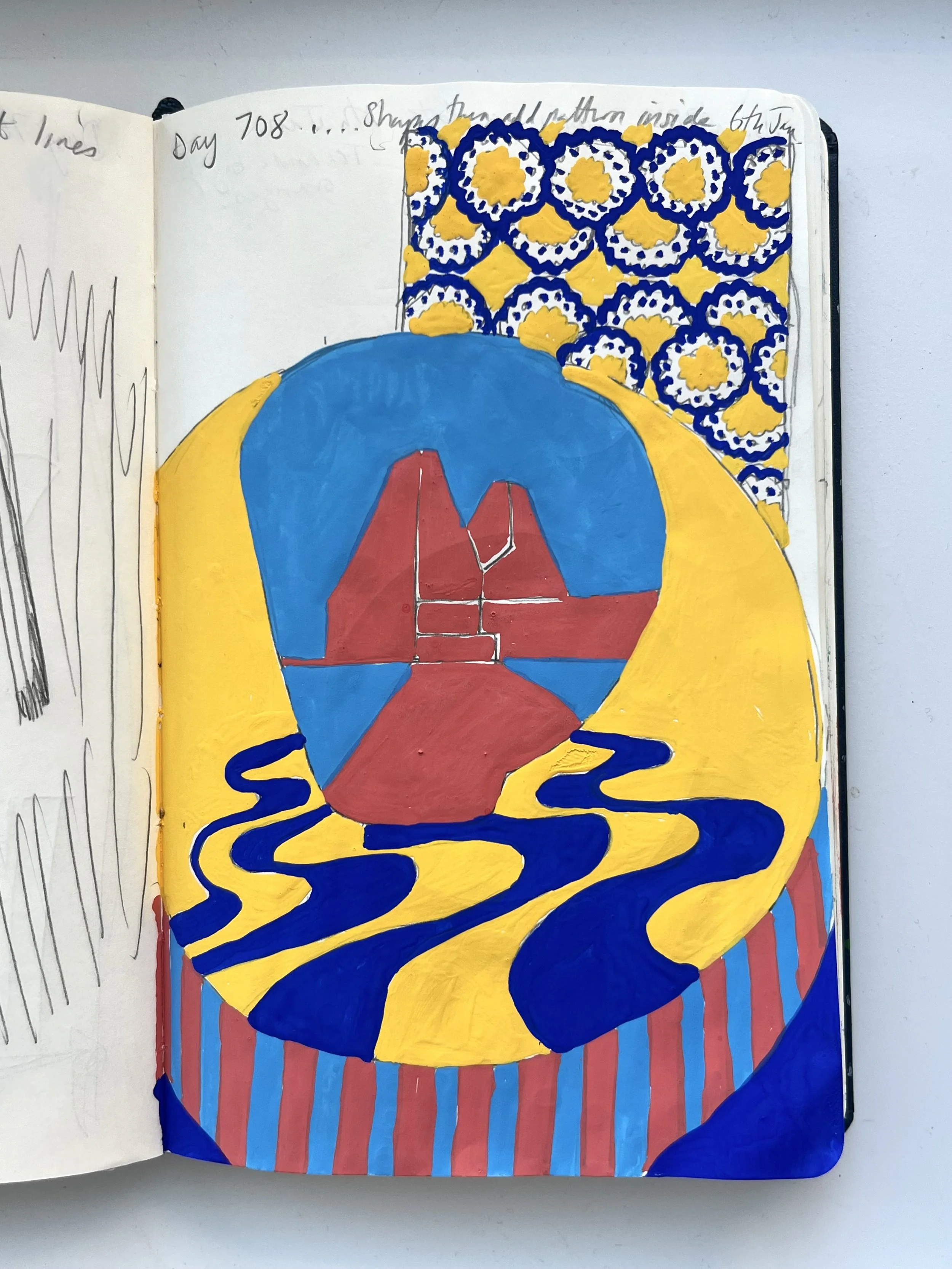
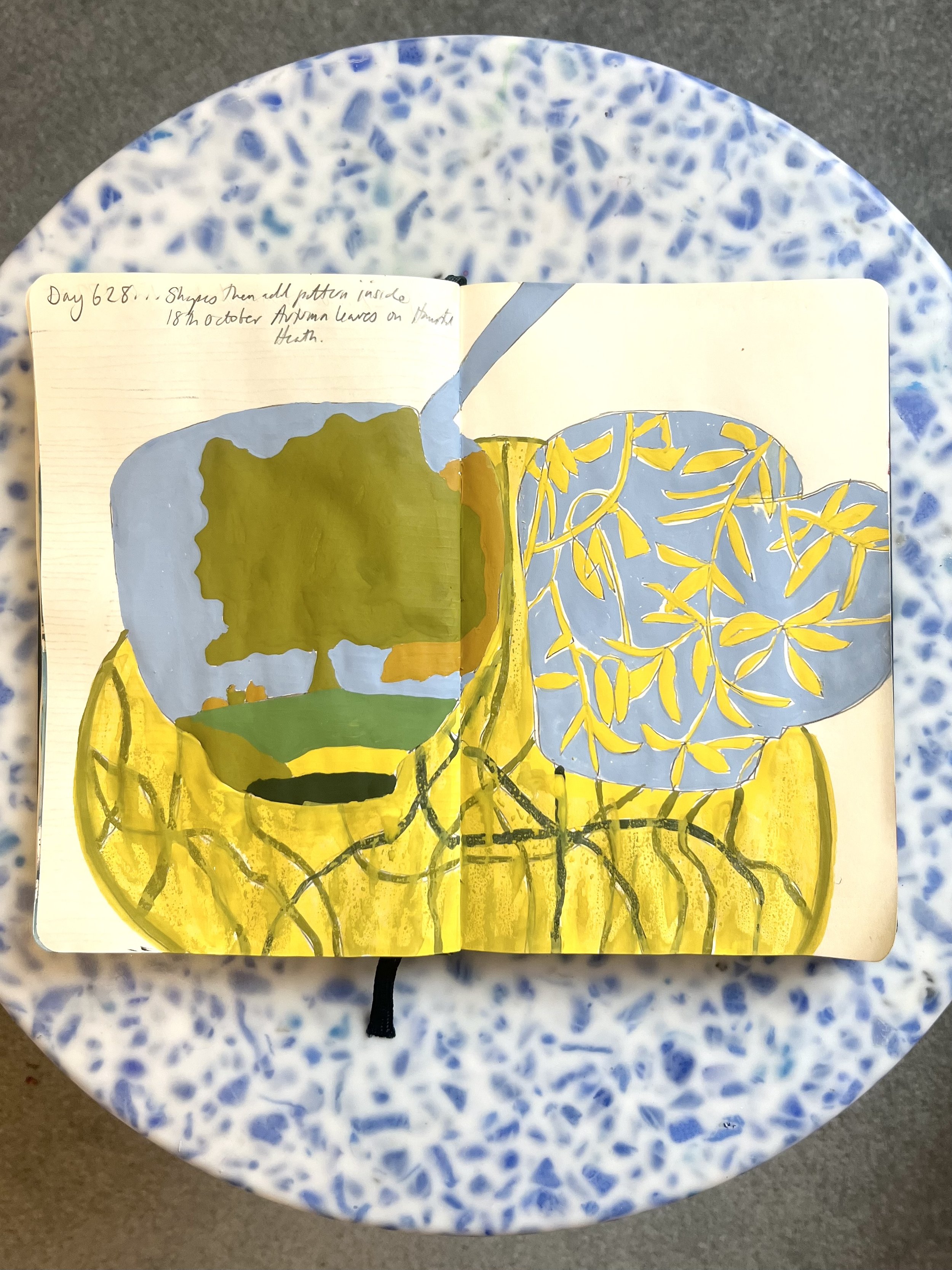
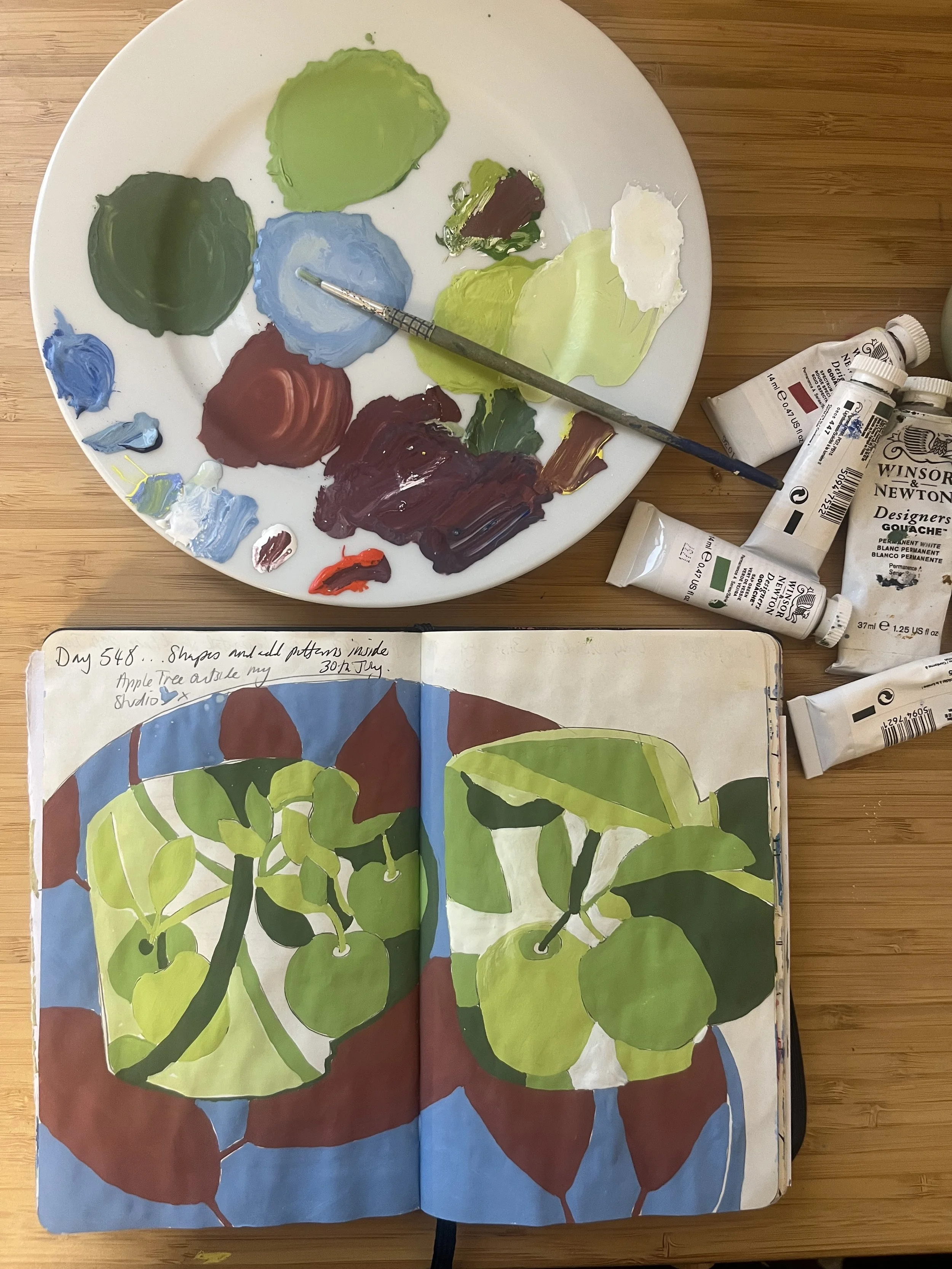
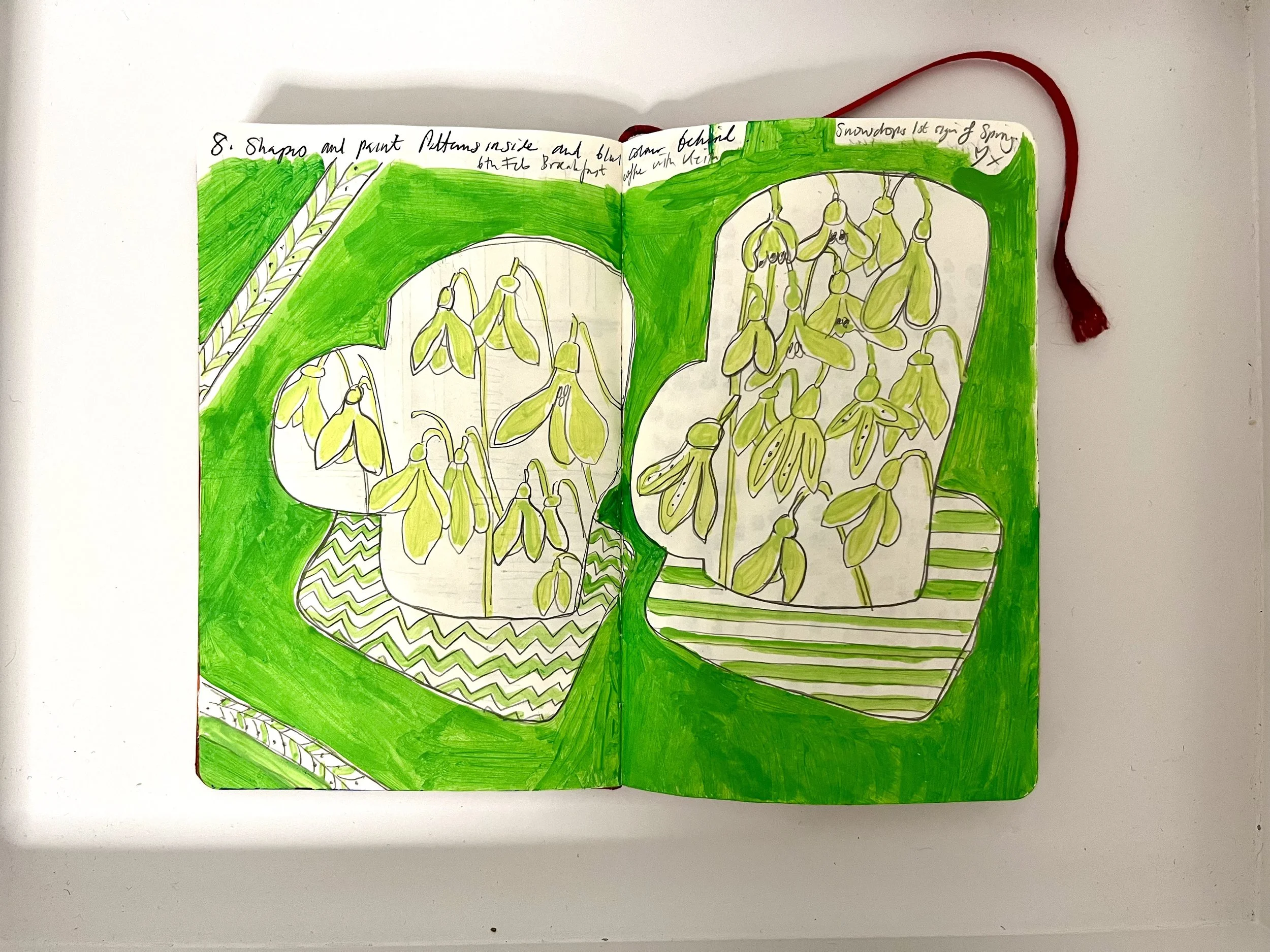
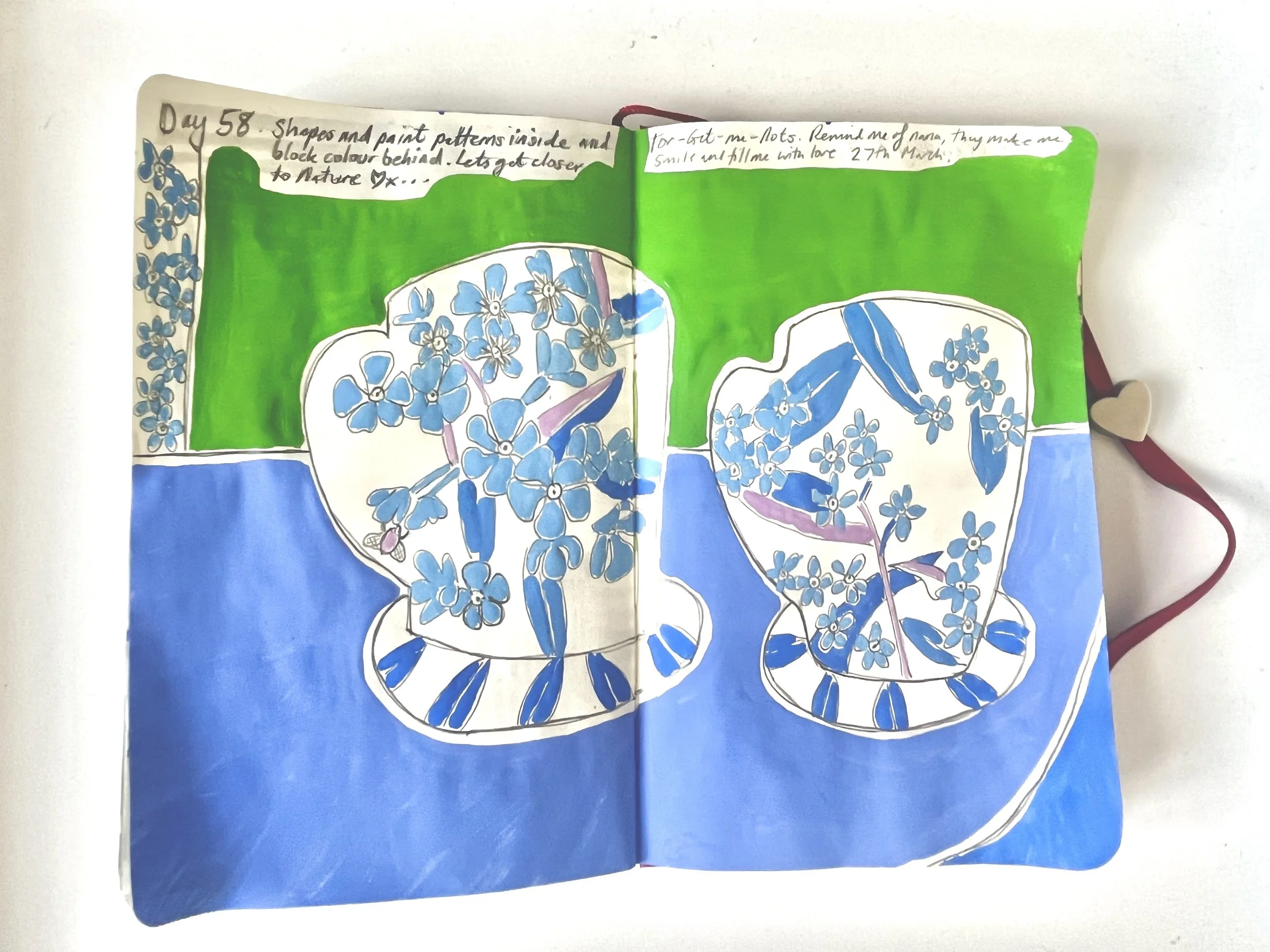
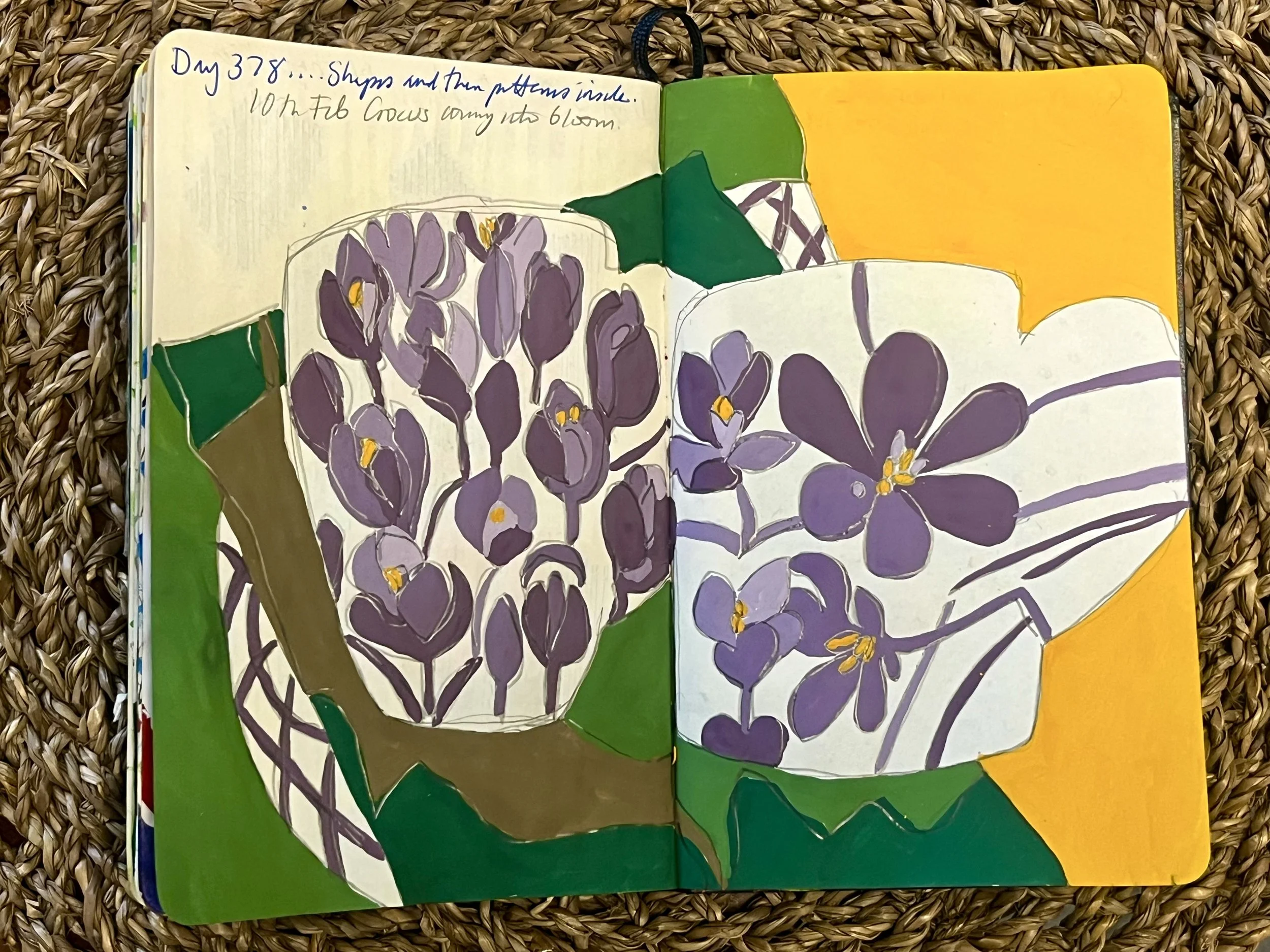
Day 8 in my list of ten is ‘Shapes and add pattern inside’ - these naturally led to me adding in drawings of the seasons as I got back from my run or visit to Kew. These pages, once private and experimental, are now the starting point for my new interior fabric collection, British Seasons, which I will be launching later this year.
Living in a city, many people assume you miss the rhythm of the seasons. My experience is the opposite. I run in London’s parks at least three times a week, often at sunrise, when the light is soft and the city feels momentarily still. I watch the colours shift from the pale greens of early spring to the dense canopy of summer, then into the rusts and ochres of autumn, and finally the stripped-back silhouettes of winter. There is one bench I return to each month, photographing the same view again and again. The act of repetition reveals what is otherwise easy to miss—the subtle, steady transformation of trees, light, and atmosphere.
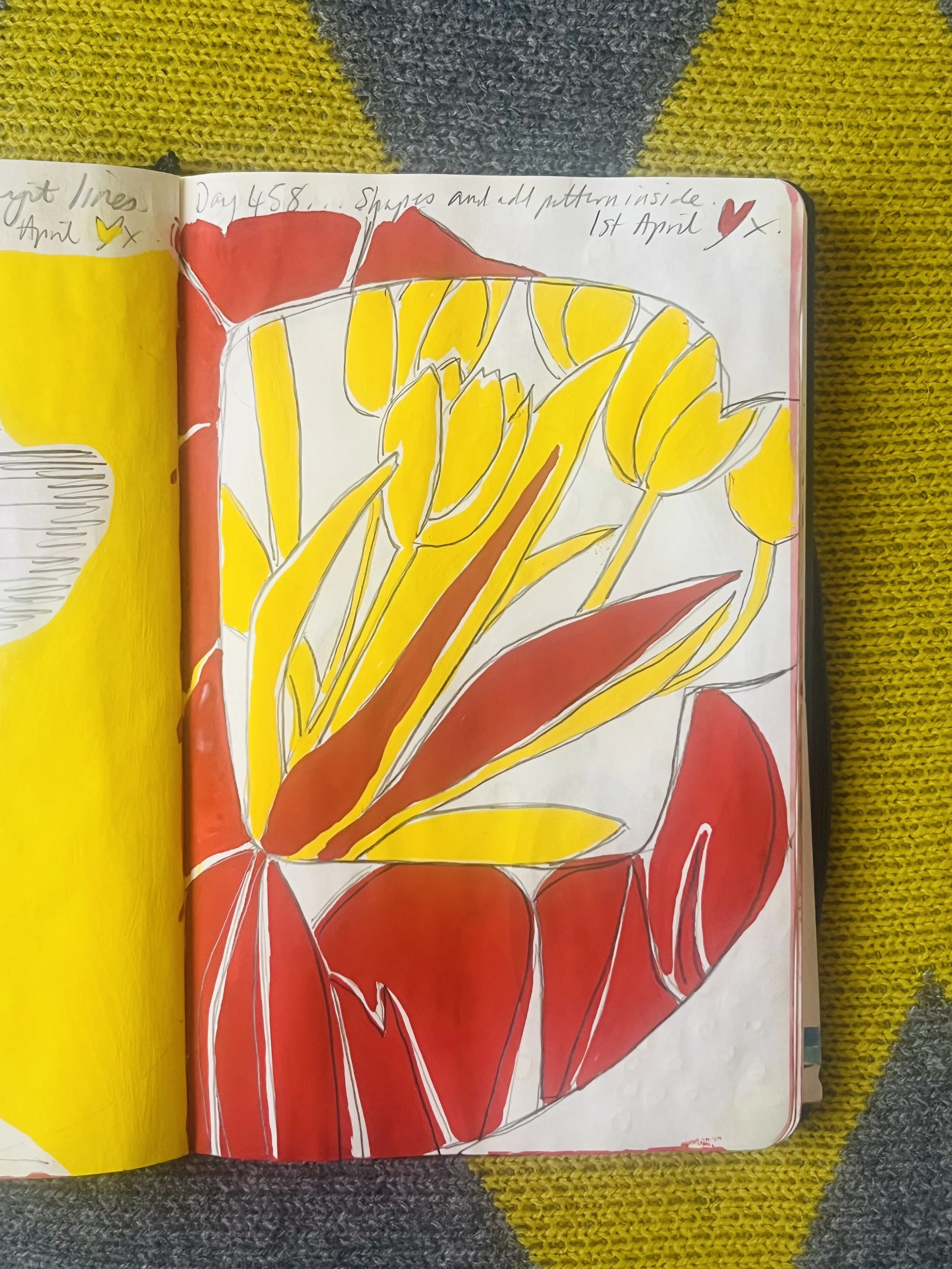
I am also a member of Kew Gardens, where I go to walk, observe, and draw throughout the year. Crocuses emerging unexpectedly through cold soil, tulips unfolding into bold, architectural forms, foxgloves rising in vertical rhythm, and the dense, shifting patterns of summer trees—all of these moments find their way into my sketchbooks.
One of my daily prompts, Day 8 on my “List of 10,” is “Draw the shapes and add pattern inside.” This simple instruction has become central to the British Seasons collection. I begin with the outline of a form—a flower, a leaf, a cluster of branches—and then fill it with colour and layered pattern. These patterns are not literal reproductions, but responses: stripes that echo stems, repeated marks that suggest leaves flickering in wind, blocks of colour that capture the feeling of a particular morning.
Because these drawings are made quickly, often in just a few minutes, they retain an immediacy that is difficult to recreate intentionally. They hold the energy of observation rather than perfection. Over time, certain shapes and colour combinations began to repeat themselves. I noticed tulip forms appearing again and again. The vertical rhythm of foxgloves translated naturally into pattern. Tree canopies became abstract compositions of layered marks.
Slowly, without forcing it, a collection began to emerge.
The four initial designs—Crocus, Tulips, Foxgloves, and Summer Trees—each come directly from these daily pages. Some began as breakfast table drawings, others as quick sketches after a morning run, and many were developed further after visits to Kew Gardens. In the studio, I refine them carefully, but I try to preserve the spontaneity of the original mark. The intention is not to lose the feeling of the sketchbook, but to carry it into fabric.
My background as a textile and colour designer has always been rooted in observation, but this daily practice has deepened that relationship. Drawing every day strengthens my sensitivity to colour—how a grey winter morning holds subtle violets and greens, how spring light carries clarity, how summer compresses colour into dense, saturated layers. These nuances now inform my palette choices as much as the drawn forms themselves.
Perhaps the most surprising part of this process is that none of it was planned. When I began drawing each morning, it was simply to reconnect with creativity in a small, manageable way. There was no expectation that these sketches would become finished artworks, let alone interior fabrics. Yet their authenticity—the fact that they were made without pressure—has given them a clarity and honesty that feels deeply personal.
The sketchbook has become both a visual diary and a bridge between disciplines. It connects my daily life—morning tea, quiet observation, running through the park—with my studio work and design practice. It reminds me that ideas rarely arrive fully formed. They grow through repetition, attention, and time.
Translating these drawings into fabric requires careful decisions about scale, colour, and material. Marks that exist at a few centimetres on paper must expand to live across metres of cloth. Colours observed in fleeting morning light must be re-mixed so they hold the same atmosphere in thread and print. Throughout this process, my aim is to retain the immediacy of the original drawing — so that the finished textile still carries the quiet moment in which it began.
As British Seasons develops, I will be sharing more of this journey — how a five-minute morning drawing evolves into a textile, how colour moves from page to cloth, and how the changing landscape continues to shape the work.
It all begins, as it always has, with opening the sketchbook each morning and making the first mark.
#TextileDesign #SurfacePatternDesign #InteriorDesign #DesignProcess #SketchbookPractice #CreativePractice #BritishDesign #PatternDesign #ArtistProcess #ColourDesign #FabricDesign #CreativeHabit #DesignInspiration