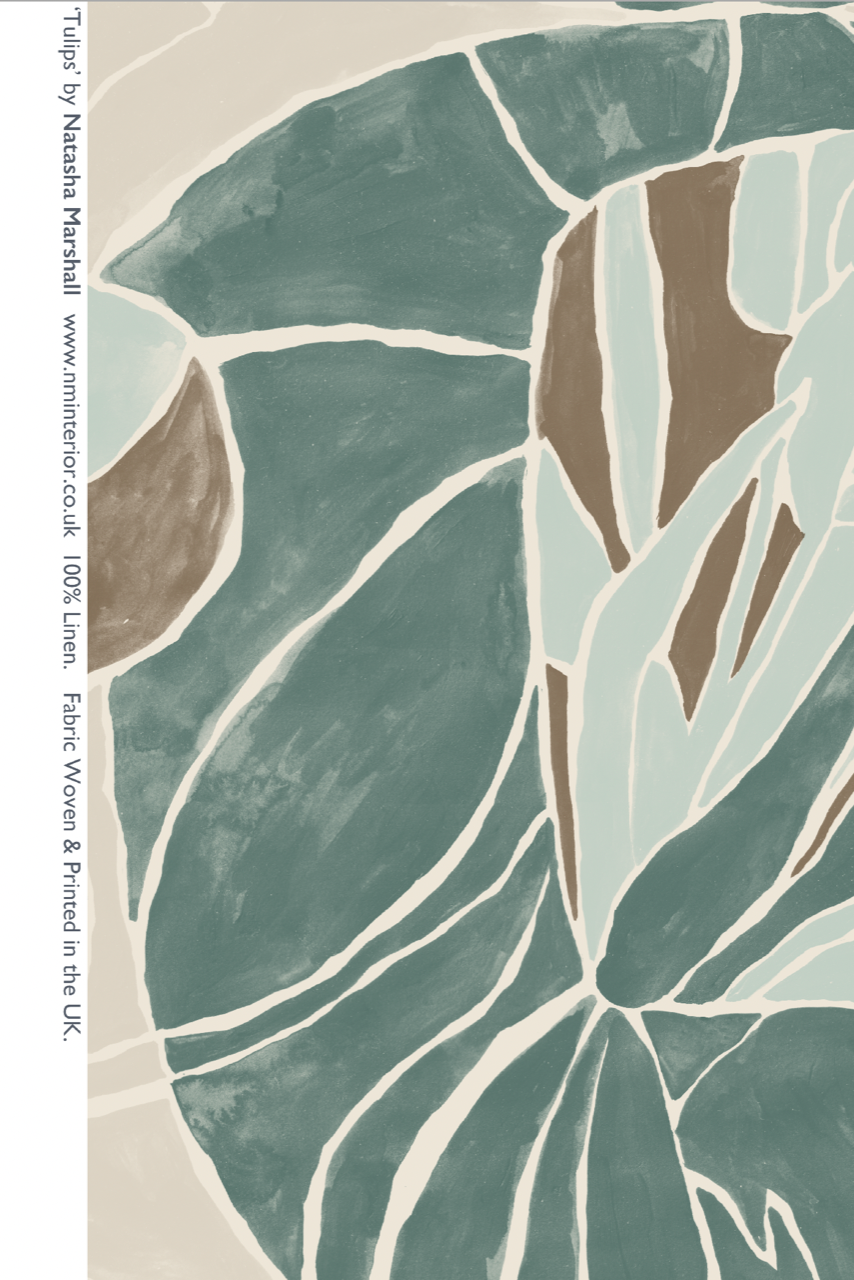
British Seasons: Making a Textile Collection. Week 3 — Material Choices
Why Linen. When I began developing this collection, I kept coming back to one question: What does this fabric really need to be made from?
Not what is fashionable. Not what is easiest. But what feels right — for the design, for the makers, and for the planet.
My instinct, after years of working with textiles, was to go back to basics.
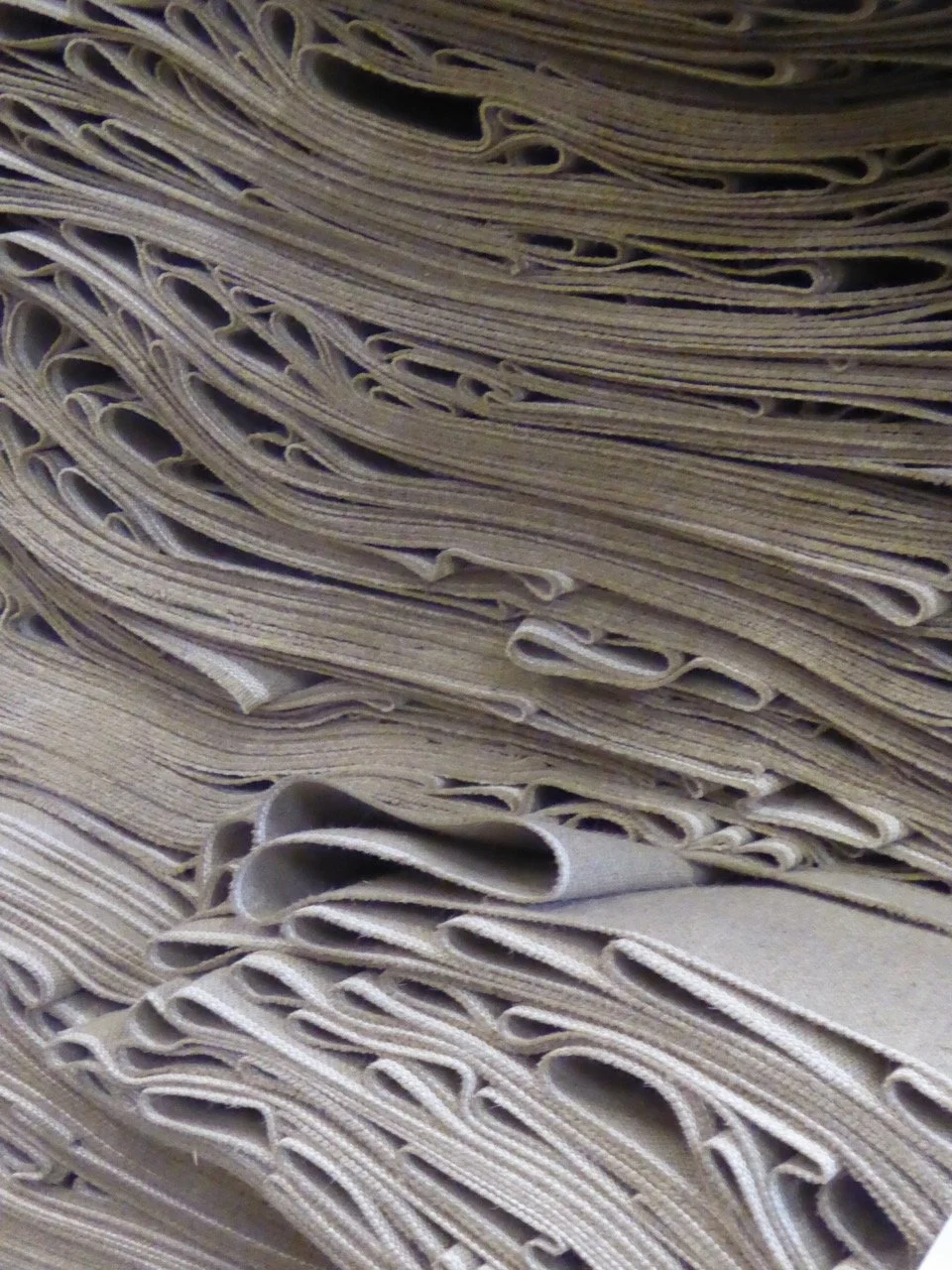
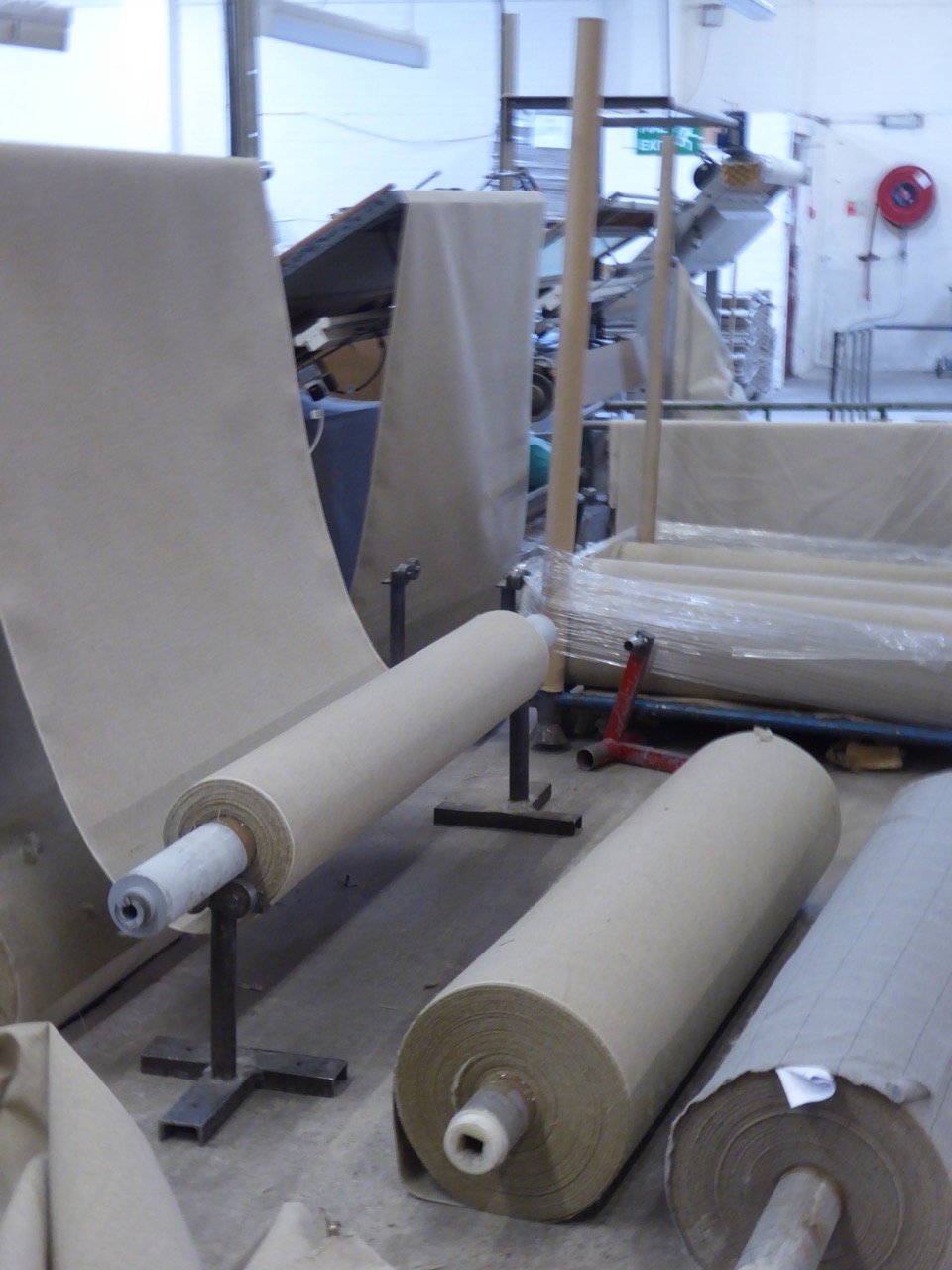
Piles of Linen after being woven
Why Linen
Linen is one of the most honest materials I know. It is made from flax, a plant that requires very little water to grow and minimal chemical intervention. Compared to many other fibres, it is relatively straightforward to process, durable in use, and fully biodegradable at the end of its life.
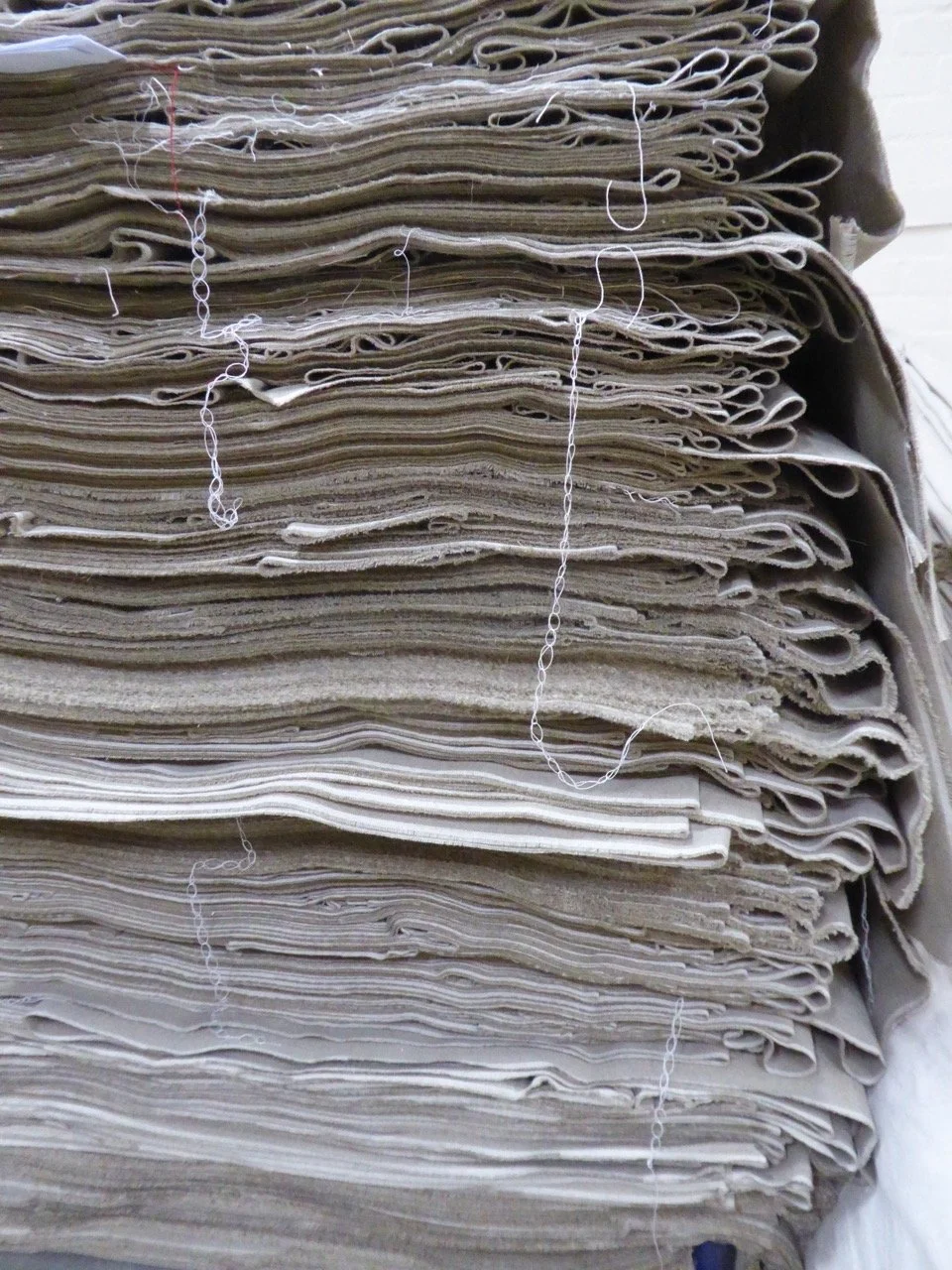
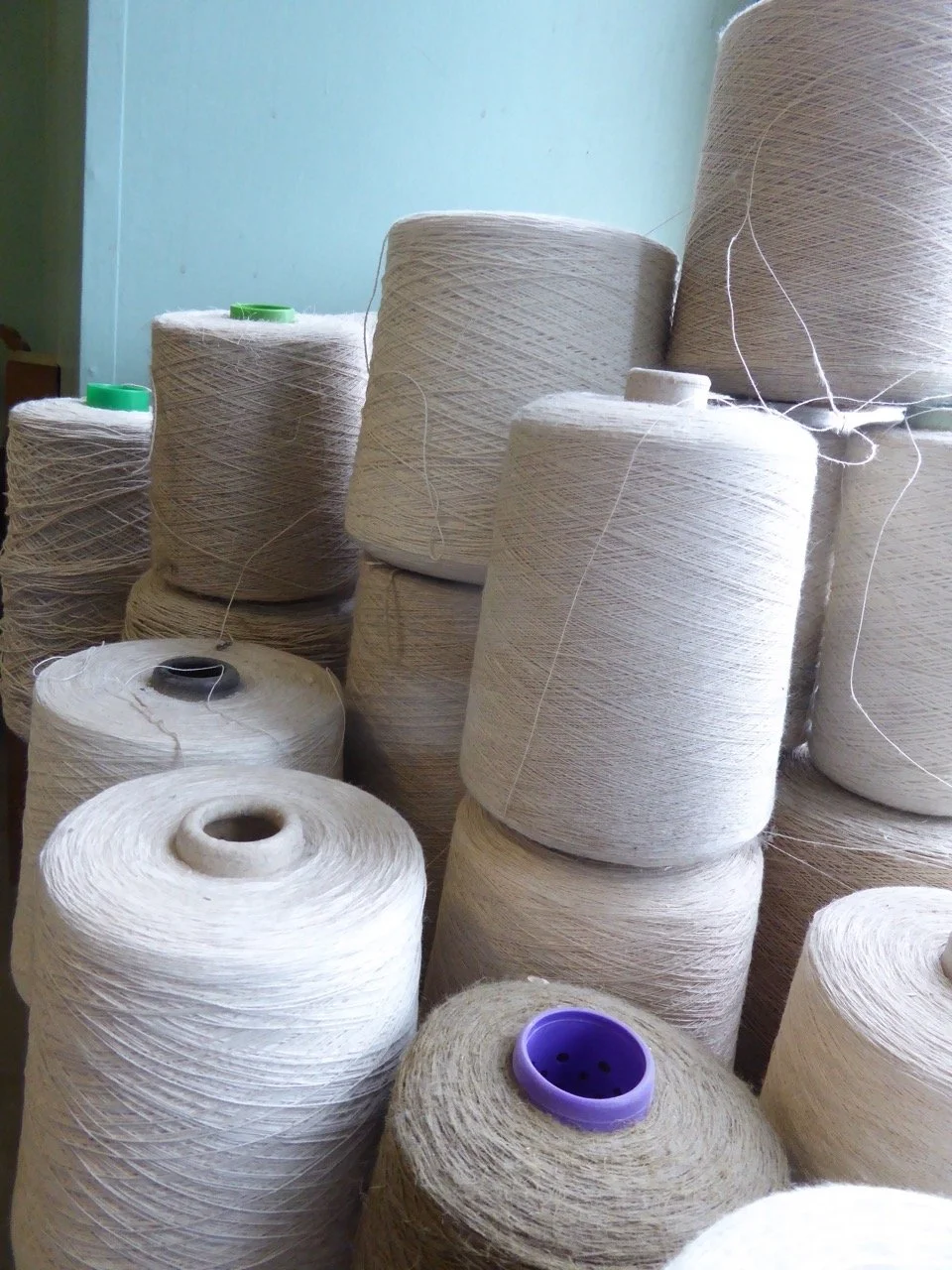
For this collection, I have chosen a 100% linen woven in the UK, using European yarns. The handle and weight were crucial - linen has a particular tactility that can’t be replicated. It has substance, but also softness. It holds colour beautifully, ages well, and hangs beautifully as curtains.
When you add cotton, nylon, or synthetic fibres into the mix, the character changes immediately. Sometimes that is necessary, but for this collection I wanted clarity and integrity in the material itself.
Natural Fibres and Sustainability
From a sustainability point of view, natural fibres make the conversation simpler - not simplistic, but clearer. They come from renewable sources, last for decades when well made, and can return safely to the earth at the end of their life.
For interiors especially, longevity matters. A fabric that wears well, repairs well, and doesn’t need to be replaced every few years is often the most sustainable choice of all.
Linen sits alongside other excellent natural fibres:
Hemp, one of the oldest textiles known, even more sustainable than linen in some respects, requiring no pesticides or irrigation.
Wool, which naturally meets UK upholstery fire regulations without chemical treatments.
Jute, ramie, abaca, and other plant fibres that are renewable, biodegradable, and strong.
Each has its place, and I’ll be exploring these in future posts.
Why Not Cotton or Synthetics?
Cotton is familiar and versatile, but conventional cotton production uses enormous amounts of water and pesticides. Organic cotton is a better option, but still resource-heavy.
Recycled synthetic fabrics — particularly PET made from plastic bottles — are often presented as a solution. While they do divert waste, there are difficult questions around microplastics, end-of-life biodegradability, and whether demand for recycled yarns is inadvertently driving more plastic production. It’s a complex area, and one I continue to research with a healthy amount of scepticism.
New developments are emerging — biodegradable synthetics, recycled yarns made from post-consumer textiles, plant-based polyamides — but these require significant investment from mills that have already endured extremely challenging years. Supporting British and European manufacturers who are willing to innovate feels vital.
Made in the UK (and Europe)
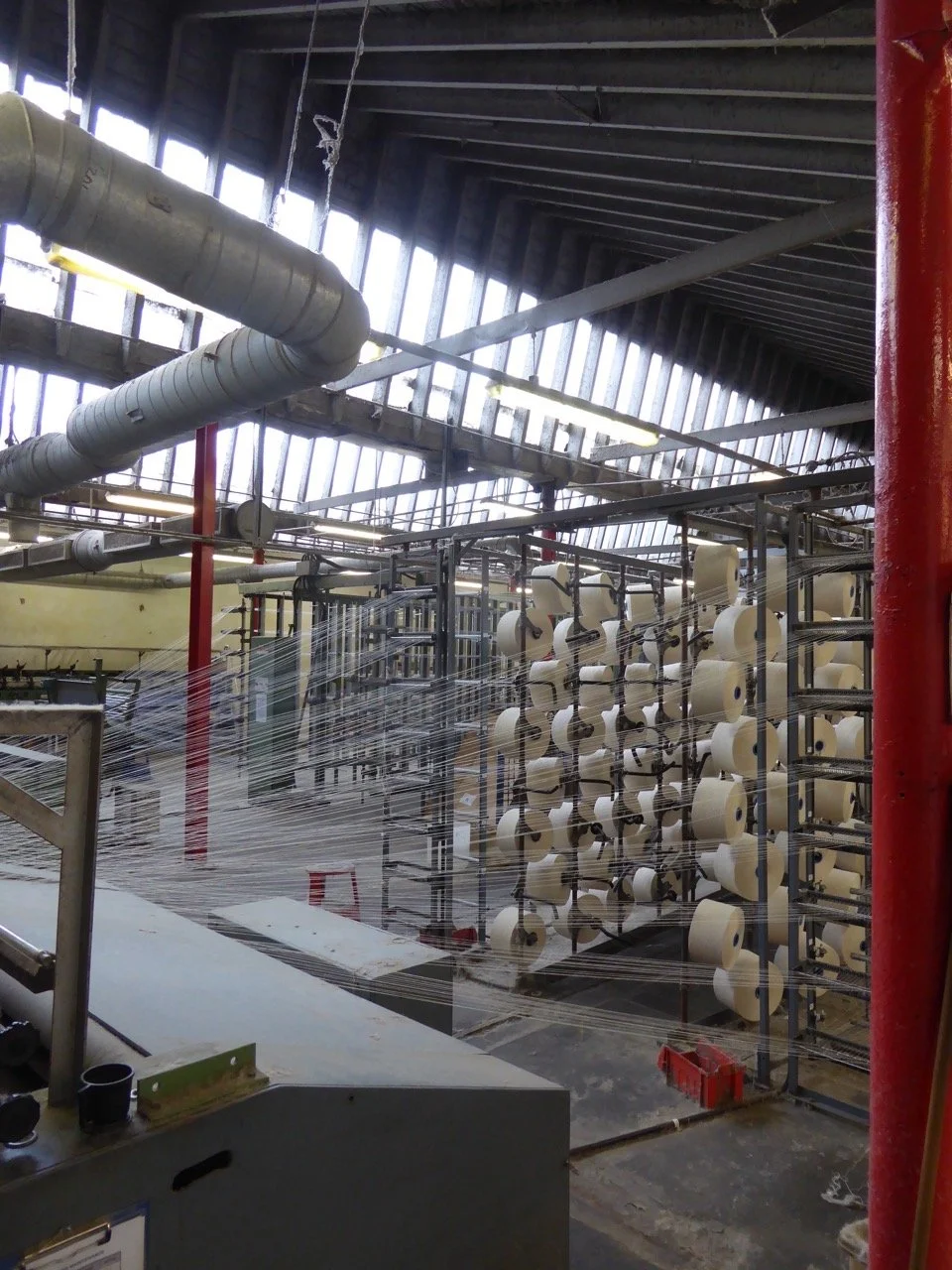
Wherever possible, I believe in keeping production close to home — not just the weaving or printing, but the yarns themselves. Fewer miles travelled means fewer emissions, but it also means better communication, better quality control, and stronger relationships with the people who actually make the cloth.
Small, thoughtful decisions — where a yarn is sourced, how a fabric is finished, how long it is expected to last — add up to meaningful change.
Back to Basics
After researching many options, my gut feeling remains strong:
natural fibres, less processing, and local production are the most reliable way forward.
Sustainability doesn’t have to mean compromise. There is now a sustainable choice for almost every application, often without sacrificing aesthetic, performance, or budget. What it does require is curiosity — and asking better questions.
As designers, we have a responsibility to lead these conversations, to understand the materials we specify, and to share the stories behind them. Stories create connection. They give people a reason to choose differently.
This collection, and British Seasons as a whole, is rooted in that belief.
More soon, from the studio.
#BritishSeasons #SustainableTextiles #LinenTextiles #NaturalFabrics #MadeInTheUK #TextileDesign #InteriorMaterials #CircularDesign